
Digital literacy involves having a current knowledge and understanding of computers, mobile devices, the internet, and related technologies
Computer
⇨ an
electronic device, operating under the control of instructions stored in its
own memory
1. Laptop
2. Tablet
3. Desktop
4. Server
Mobile and game devices
1. Smartphone
2. Digital Camera
3. Portable media player
4. E-book reader
5. Game console
accept data (input) ⇒ processing ⇒ produces information
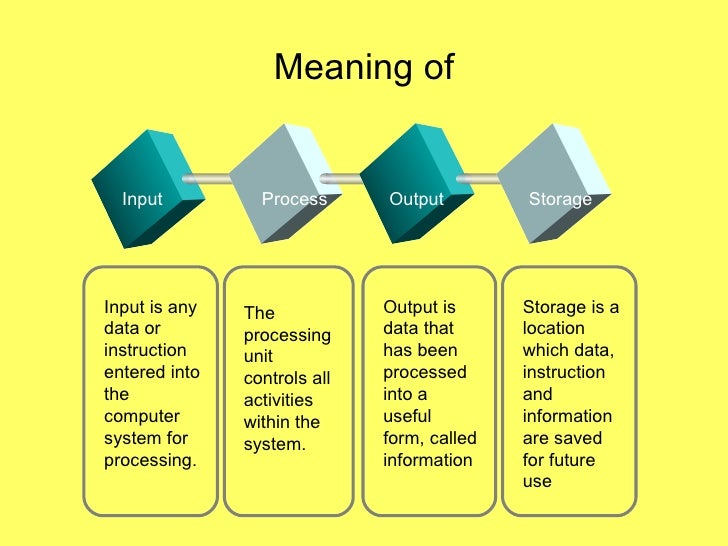

Input device
- Keyboard
- Scanner
- Web camera
- Microphone
- Barcode readers
- Mouse
Output device
- Printer
- Headphones
- Speakers
- Moniter
- Robot
- Digital projector
Storage device
- Hard disc
- Memory card
- Optical disc
- Solid-state drive
- USB flash drive
- Cloud storage
Internet
The Internet is
a worldwide collection of networks that connects millions of businesses,
government agencies, educational institutions, and individuals

1. World wide web
⤷A global library of information available to anyone connected to internet
2. Browser
⤷A software that enables users with an
Internet connection to access and view webpages on a computer or mobile device
3. Search engine
⤷A software that finds websites, webpages,
images, videos, news, maps, and other information related to a specific topic
4. Online sosial network
Digital safety and security
➤ viruses and other malware
➤ privacy
➤ health concerns
➤ environmental issues
Communication and network
➽ A communications device is hardware capable of transferring items
from computers and devices to transmission media and vice versa
➽ A network is a collection of computers and devices
connected together via communications devices and transmission media
Uses of technology in society
➣ education
➣ goverment
➣ finance
➣ retail
➣ entertainment
➣ travel
➣ science
➣ publishing
➣ manufacturing
Chapter 1 Digital Literacy
![Chapter 1 Digital Literacy]() Reviewed by Julieza Nabilla
on
March 03, 2018
Rating:
Reviewed by Julieza Nabilla
on
March 03, 2018
Rating:


No comments: